

Wellness in the Black Community
We live in a world that praises strength but rarely teaches rest. We celebrate perseverance, but we do not always create space to process what we had to survive.
And the truth is this: you can be resilient and still be exhausted. You can be successful and still be struggling. You can love your people and still need help carrying what life handed you.
Mental wellness is not a luxury. It is a foundation.
When “Being Strong” Turns Into Emotional Pressure
The Black community has always been rich in resilience—faith, cultural pride, humor, creativity, and collective support. These values have held generations together through hardship.
But sometimes the strength narrative becomes an unspoken rule that says:
- Do not fall apart.
- Do not talk about it.
- Do not make it a big deal.
- Just keep pushing.
Phrases like “stay strong,” “handle it yourself,” or “pray and keep moving” often come from love and protection. Historically, vulnerability could come with real consequences. As a result, emotional privacy became a survival tool.
However, strength and vulnerability can coexist. Seeking therapy, setting boundaries, taking a break, or saying “I’m not okay” is not weakness—it is awareness.
Common Barriers to Support
If mental wellness support has felt complicated, uncomfortable, or out of reach, you are not imagining it. Some common barriers include:
- Stigma and fear of judgment. In many families and communities, mental health struggles have been treated like a personal failure instead of a health need. Because of that, support is often delayed for years.
- Difficulty finding culturally competent care. A lot of people do not want to spend therapy sessions explaining cultural context, code-switching, or feeling misunderstood. Comfort and trust matter.
- Representation gaps. Seeing providers who share cultural experiences can make care feel safer and more relatable. Even so, representation is still limited across mental health professions.
- Cost and access. Insurance limits, high out-of-pocket costs, transportation, and local availability can block people even when they are ready for help.
Early Signs You Might Be Carrying Too Much
Mental strain often builds quietly. Not everyone experiences it the same way, but common signs include:
- Persistent stress or burnout
- Sleep issues, like trouble falling asleep, staying asleep, or waking up exhausted
- Irritability, numbness, or low patience
- Loss of motivation or joy
- Withdrawing from people
- Physical symptoms such as headaches, stomach tension, chest tightness, or body aches
- Feeling overwhelmed by everyday responsibilities
Noticing these signs is not labeling yourself as broken. It is listening to yourself before your body has to force you to.
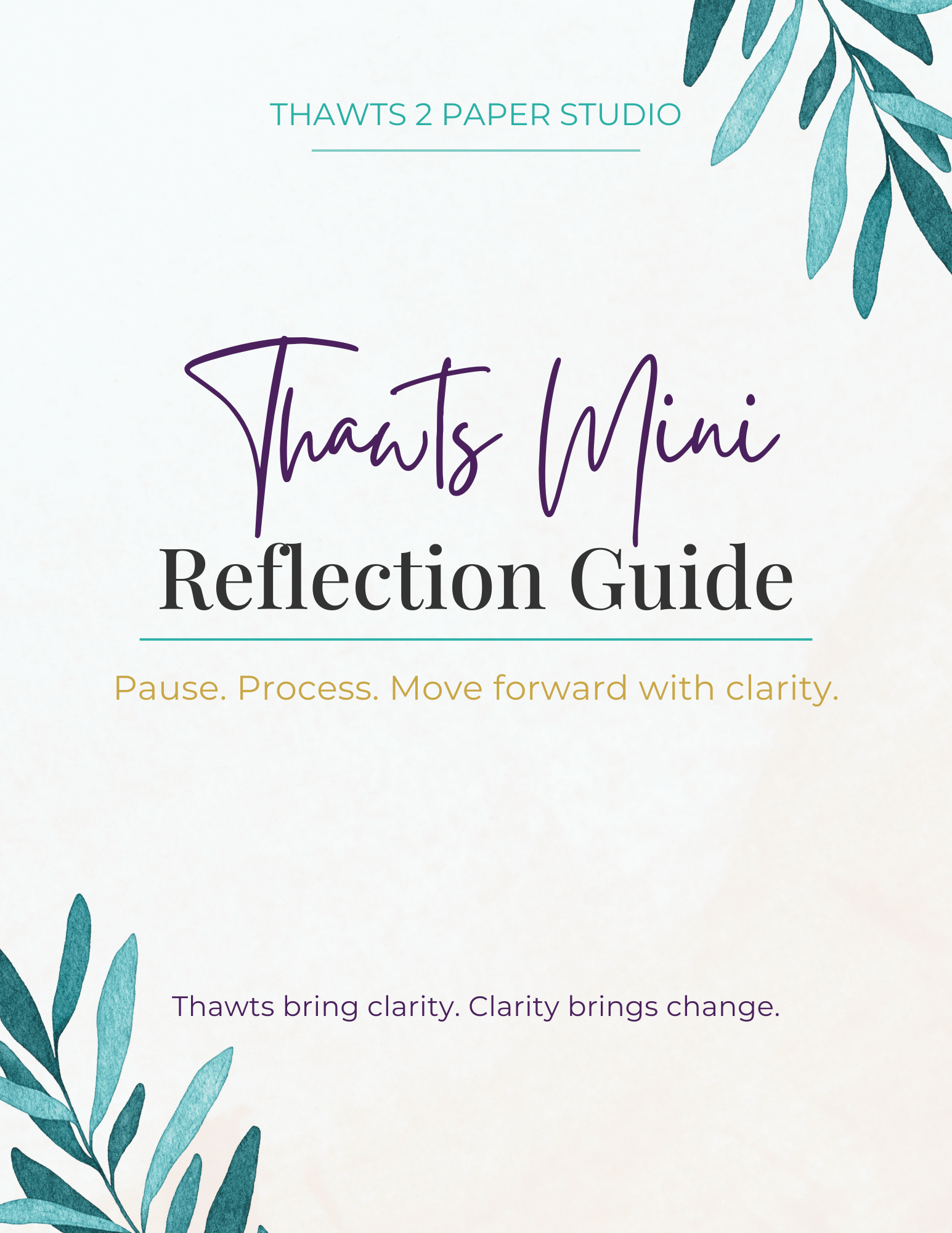
Free Guide: Thawts Mini Reflection Guide
A simple guide to help you pause, process your thoughts, and move forward with clarity.
Download the Thawts Mini Reflection Guide
- Identify the thoughts taking up mental space
- Build gentle reflection habits
- Strengthen self-awareness
- Create a simple clarity reset
Practical Support That Actually Fits Real Life
These are not “change your whole life overnight” tips. Instead, these are realistic supports you can actually repeat.
Normalize emotional check-ins. If you tend to freeze with open-ended journaling, use a simple structure:
I feel ______ because ______.
What I need is ______.
One small step I can take is ______.
Try the Clear Thawts 3-Day Clarity Reset
Protect rest like it is a requirement. Rest is not a reward for being productive. It is how your mind and body recover.
- Choose one daily reset—even 10 minutes counts
- Put it on the calendar like an appointment
- Treat it as health care, not free time
Strengthen community connection. Healing is not meant to be lonely. Support can come from faith communities, trusted friends and family, support groups, online wellness spaces, and group therapy, which is often lower cost than one-on-one care.
Join the Thawt Circle community
Blend cultural practices with wellness tools. Many cultural practices already support emotional healing—spiritual grounding, music, storytelling, laughter, creative expression, movement, dance, and community gatherings. Therapy does not replace culture; it can complement it.
Resources to Explore
These organizations provide trusted support, education, and culturally informed mental health resources.
- Therapy for Black Girls — therapist directory and mental wellness education
- BEAM (Black Emotional and Mental Health Collective) — workshops, education, and community care tools
- NAMI (National Alliance on Mental Illness) — support groups, resources, and mental health education
- Mental Health America — screening tools and educational resources
- 988 Suicide & Crisis Lifeline — call or text 988 for 24/7 support
More to explore when you’re ready — trusted resources here .
How Communities and Allies Can Support Mental Wellness
- Listening without judgment
- Encouraging care without forcing it
- Sharing resources and directories
- Creating safer spaces to be honest
- Supporting culturally inclusive health care access
Healing Is a Legacy
When we prioritize mental wellness, we are not just caring for ourselves—we are also protecting the people who come after us. That is legacy work.
Prioritizing emotional well-being does not weaken cultural strength. It strengthens it.
Healing is not about perfection. It is about progress, support, and the freedom to be human.
Let’s Continue the Conversation
If this resonated, reflect on:
- What helps you feel grounded when life gets loud?
- What kind of support feels safest to you right now?
- What do you wish people understood about what you carry?
If you know someone who needs this reminder, share it with them. Sometimes healing starts with being seen.
This post is for educational purposes and is not medical advice. If you are in immediate danger or crisis, call or text 988 in the U.S. or contact your local emergency services.
Tools to Explore
Enjoyed this? Join the Thawt Circle
Get more cozy, realistic wellness tips — straight to your inbox.
Sign Up Now