
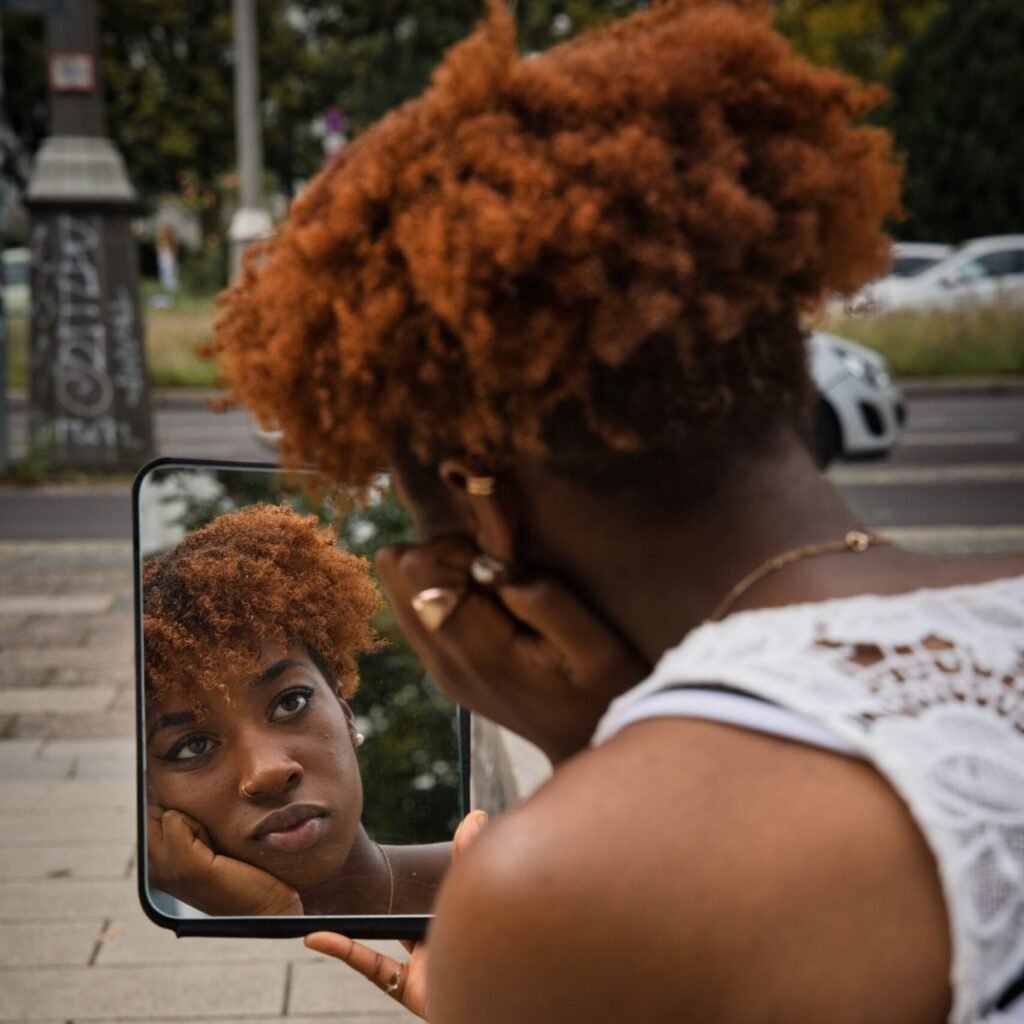
Your Hair Is Talking—Are You Listening?
How Diet, Medications & Life Changes Show Up in Your Hair
You changed the shampoo. Switched the oil. Grabbed another “growth” serum.
And your hair is still like: Girl… that is not the problem.
Sometimes hair changes have less to do with your products and more to do with what’s happening inside your body.
Diet, medications, stress, weight changes and overall health can all show up in your hair.
So before you overhaul your whole routine, ask:
What changed before my hair changed?
Your Hair Has a Schedule — And Life Can Throw It Off
Hair moves through cycles of growing, resting and shedding. Stress, illness, hormonal shifts, rapid weight loss, nutritional changes and some medications can interrupt that rhythm.
The tricky part? Your hair may react weeks or even months later. So the extra strands you notice today may have very little to do with the shampoo you used yesterday.
Mane Move
Hair care can’t correct an internal trigger, but it can help prevent extra breakage while your hair is vulnerable.
Try this: Detangle in sections on damp, conditioned hair with plenty of slip. Start at the ends and work upward instead of forcing through knots.
Helpful pick: A detangling comb can make working through sections easier without unnecessary pulling. #ad
Your Hair Cannot Thrive on Leftovers
Your body has priorities, and hair isn’t at the top of the list. Consistently eating too little, losing weight quickly or falling short on key nutrients can eventually show up as shedding, weakness or trouble retaining length.
Protein helps build the keratin that makes up hair, while nutrients such as iron, vitamin D, B12 and zinc also support normal hair and body function.
Hair, Skin & Nail supplements often contain nutrients that support normal hair, skin and nail health. But more supplements aren’t automatically better, especially when you don’t know what—if anything—you’re actually low in.
Mane Move
Deep conditioner can’t replace missing nutrition, but it can help protect the strands you already have.
Try this: Deep condition once a week for 3–4 weeks. Pay attention to whether detangling gets easier, your hair feels softer and you’re seeing fewer short broken pieces.
Helpful pick: This deep conditioner is an easy option to work into a weekly moisture-focused wash day. #ad
New Hair. New Medication, Maybe?
Same products. Same bonnet. Same routine. Suddenly, different hair.
That’s when it may be worth asking: Did I start anything new?
Some medications—and changes in appetite, weight, hormones or overall health that may happen alongside them—can affect the way your hair behaves.
Pay attention to timing. Did the shedding, dryness or texture change begin after starting something new or changing a dose?
Mane Move
Don’t stop or adjust prescribed medication without talking with your healthcare provider. Instead, adapt your routine to what your hair needs now.
Try this: Change one thing first. More dryness? Add weekly deep conditioning. More fragility? Reduce direct heat. More buildup? Revisit your cleansing schedule.
Wait — Is It Shedding or Breaking?
We tend to call everything “hair falling out,” but shedding and breakage are two different things.
Some shedding is completely normal. It’s part of the natural hair-growth cycle, and most people lose roughly 50–100 hairs a day. What matters is noticing when you’re consistently shedding much more than what’s normal for you.
Shedding is when the full strand releases from the follicle. Breakage, on the other hand, is more of a warning sign that the strand itself is being damaged. That happens when the hair snaps somewhere along the shaft, leaving shorter pieces behind.
And sometimes “my hair won’t grow” really means your hair is growing, but your ends are breaking almost as quickly as new length comes in.
Mane Move
You can’t fix the right problem until you know what you’re actually seeing.
Try this: Check what you lose on wash day. Mostly long, full strands? Think shedding. Lots of shorter pieces? Look harder at moisture, heat, tension and detangling. Know the problem before you buy the solution.
Helpful picks: Reduce overnight friction with a satin pillowcase or satin bonnet. #ad
When Your Routine Isn’t the Whole Answer
Hair care still matters. So does scalp care. Regular cleansing helps remove sweat, oil, dead skin and product buildup.
But another oil, mask or growth serum can only do so much. Sudden heavy shedding, bald areas, significant thinning, scalp pain or irritation, or changes that keep getting worse deserve more than another product experiment.
Mane Move
Oil may make a dry scalp feel better temporarily, but it doesn’t cleanse buildup or address every cause of irritation.
Try this: Give your scalp a thorough, gentle cleanse on wash day. If irritation, persistent flakes or unusual hair loss keeps returning, consider getting it checked by a dermatologist instead of following the “TikTok made me do it” route and layering on another DIY fix.
Listen Before You Blame Your Hair
Your hair isn’t always being difficult. Sometimes it’s responding—to your diet, stress, health, medications, weight, styling habits or simply life.
Before you toss your products and rebuild your whole routine, look for the pattern first.
What changed before my hair changed?
Then narrow it down:
- Am I seeing shedding, breakage or both?
- Did something change with my diet, medication, stress, weight or health?
- What’s one adjustment I can make to support my hair while I figure it out?
Sometimes the best thing you can do for your hair isn’t adding another product. It’s paying attention first—and responding to what your hair is actually showing you.
Stay in the Thawt Loop
Fresh thawts, gentle reminders, and quiet support—sent your way.
No pressure. No perfection. Just support when you need it.
Enjoyed this? Join the Thawt Circle
Get more cozy, realistic wellness tips — straight to your inbox.
Sign Up Now